
Creating a home office that is both cozy and productive can transform the way you work. A well-designed space helps reduce distractions, keep you motivated, and maintain your focus throughout the day. Whether you have a dedicated room or just a small corner, with a few key tips, you can turn it into an inviting and efficient workspace. Here are some practical ideas to help you create a home office that feels comfortable and supports your best work.
Choose the Right Location
The first step is selecting the best spot for your home office. Ideally, pick a quiet area that gets plenty of natural light. Natural light not only improves mood but also reduces eye strain. If natural light is limited, invest in good quality lighting to keep your space bright.
Consider the following when choosing your location:
– Away from heavy traffic or noisy areas
– Near a window for daylight and fresh air
– Space that allows your computer, desk, and other essentials
If space is tight, you can convert a small nook or even use a foldable desk that tucks away when not in use.
Invest in Comfortable and Functional Furniture
Comfort is key for long working hours. An ergonomic chair can help prevent back pain and improve posture. Choose a chair with adjustable height and good lumbar support.
Your desk should be at a height that allows your arms to rest comfortably while typing. If you prefer standing, consider a sit-stand desk or a desk converter so you can alternate positions throughout the day.
Other furniture tips:
– Use shelves or storage units to keep supplies organized
– Add a small side table for extra surface space
– Choose furniture that fits the style and size of your space to avoid clutter
Keep the Space Organized
A cluttered workspace can increase stress and reduce productivity. Keep only essential items on your desk and use organizers to sort papers, office supplies, and electronic accessories.
Tips to stay organized:
– Use desk trays or drawer dividers for small items
– Employ cable management solutions to avoid tangled cords
– Designate a spot for all your tools and put items back after use
Regularly declutter your space to maintain a clean and pleasant environment.
Personalize Your Workspace
While organization is important, adding personal touches can make your office feel welcoming. Display a few meaningful photos, artwork, or motivational quotes to inspire you during work.
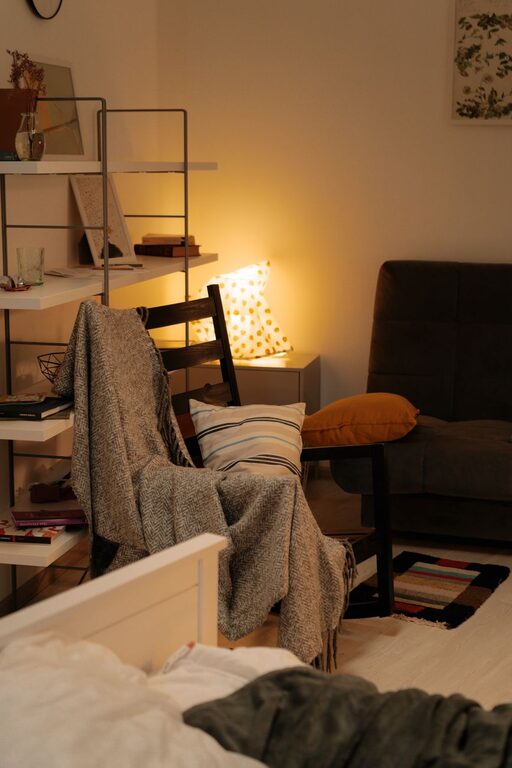
Incorporate colors and decor that make you feel calm and happy. Soft textiles like a cozy rug or throw pillow can add comfort and warmth.
Avoid overdecorating to prevent distractions, but a little personality goes a long way towards enjoying your workspace.
Optimize Lighting and Screen Position
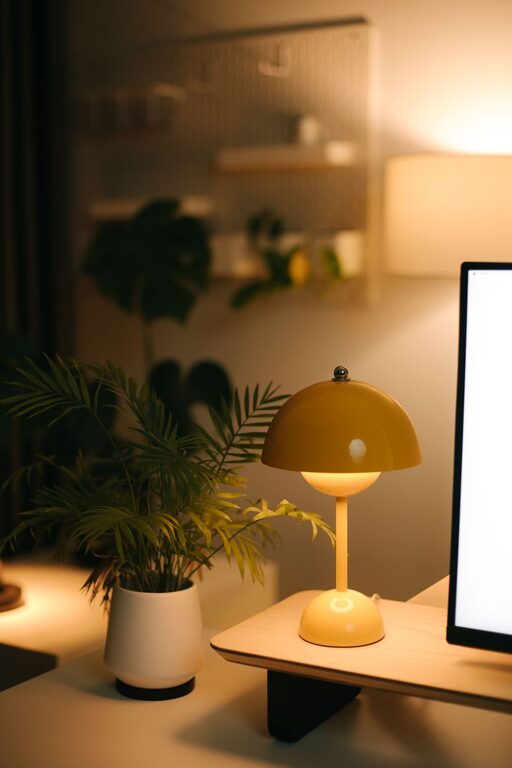
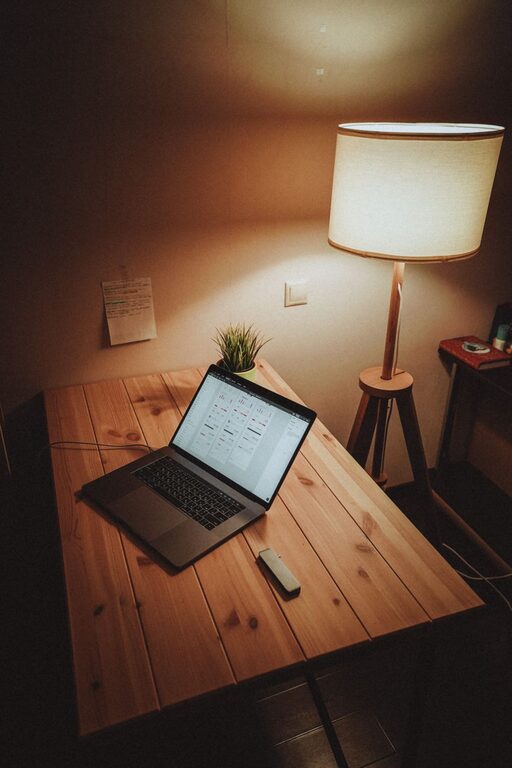
Proper lighting protects your eyes and reduces fatigue. Use a combination of natural light and task lighting such as a desk lamp with adjustable brightness.
Position your computer screen to avoid glare, preferably perpendicular to windows. The top of your monitor should be at or slightly below eye level to keep your neck comfortable.
If you use multiple screens, arrange them so you can glance between them easily without turning your head too much.
Manage Noise and Distractions
Minimize noise disruptions by choosing a quiet space or using soundproofing techniques like rugs, curtains, or wall panels. Noise-cancelling headphones can also help improve concentration.
Set boundaries with family or housemates by communicating your working hours and minimizing interruptions during those times.
Additionally, use apps or tools to block distracting websites or notifications while you are working.
Incorporate Plants and Greenery
Adding plants to your office has several benefits. They improve air quality and bring a calming effect that can reduce stress.
Choose low-maintenance plants like succulents, snake plants, or pothos that thrive indoors. Place them near your desk or windowsill for a refreshing touch.
Avoid cluttering your space with too many plants; just a few well-placed ones can enhance the atmosphere.
Establish a Routine and Dedicated Work Zone
A clear distinction between work and relaxation spaces helps maintain focus and balance. If possible, avoid working from your bedroom or couch.
Create a daily routine that includes start and end times for your workday. Having a dedicated workspace, self-discipline, and set hours can improve productivity and prevent burnout.
Use your office only for work to train your brain to associate the space with focus and efficiency.
Keep Technology Updated and Functional
Make sure your computer, printer, and other devices are reliable and set up properly. A slow or malfunctioning computer can cause frustration and reduce efficiency.
Invest in good quality peripherals like a mouse, keyboard, and headset that increase comfort.
Back up important files regularly and maintain a fast, stable internet connection.
—
Creating a cozy and productive home office is about blending comfort, organization, and functionality. With thoughtful planning and small improvements, you can build a workspace that makes working from home a pleasure rather than a challenge. Remember, your environment has a big impact on how you feel and perform, so take the time to create a space tailored to your needs. Happy working!