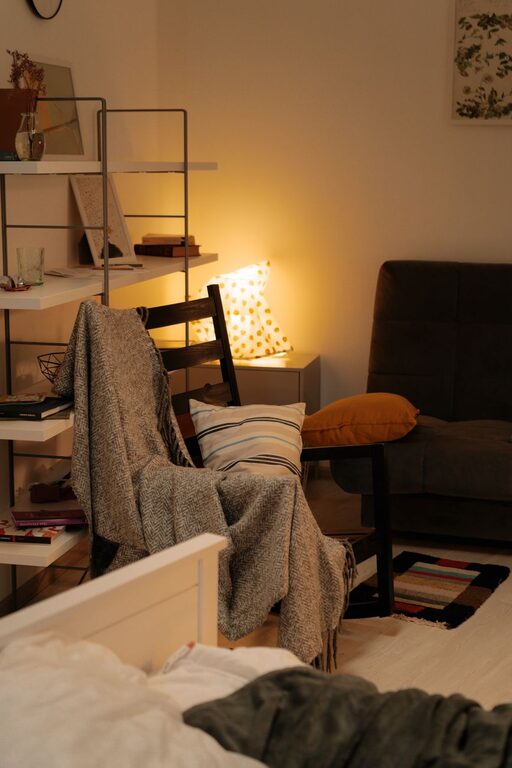

Working from home has become commonplace, and having a productive home office environment is key to staying focused and efficient. Whether you are new to remote work or want to improve your current setup, creating a comfortable and organized workspace can make a big difference. In this post, we’ll explore actionable tips to help you design a home office that supports your daily tasks and inspires productivity.
1. Choose the Right Location
Selecting the best spot for your home office is the first step. Ideally, choose a quiet area with minimal distractions. If possible, pick a room with a door to limit noise and interruptions. Natural light is a big plus, so position your desk near a window to take advantage of daylight, which can improve mood and alertness.
If space is limited, consider setting up a dedicated nook in a corner or using room dividers to create a separate zone for work. The key is to designate one area as your work zone, so your brain associates that space with productivity.
2. Invest in Ergonomic Furniture
Comfort impacts your ability to focus and work effectively. An ergonomic chair with good lumbar support can prevent back pain during long hours of sitting. Look for an adjustable chair so you can customize it to your height and posture.
Your desk should be at a height that allows your arms to bend at about 90 degrees when typing. If a traditional desk is not an option, consider alternatives like standing desks or adjustable sit-stand converters, which promote movement and reduce strain.
3. Organize Your Workspace
Clutter can distract you and make it harder to find what you need. Keeping your workspace tidy helps maintain mental clarity. Use organizers such as trays, drawer dividers, and shelves to keep supplies and documents in order.
Cable management tools like clips or boxes can reduce tangles and keep cords out of view. Regularly declutter your desk by removing non-essential items and wiping the surface clean.
4. Optimize Lighting
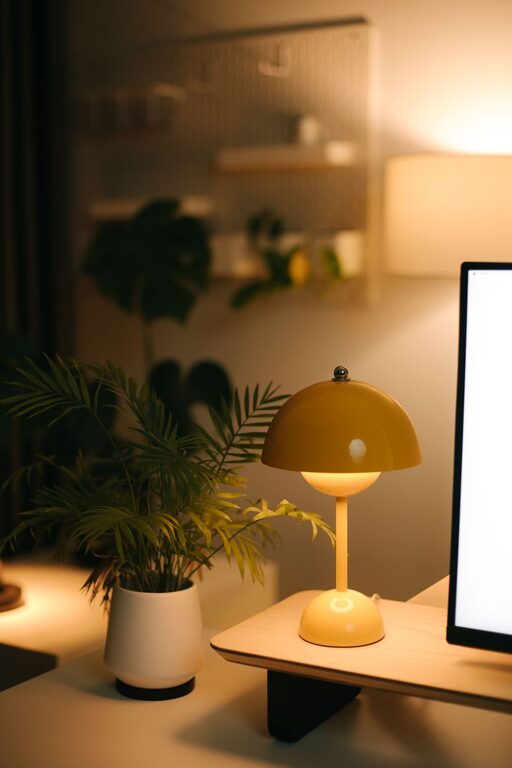
Good lighting reduces eye strain and fatigue. Combining natural and artificial light is best. Besides positioning your desk near a window, add a desk lamp with adjustable brightness and color temperature to suit your tasks.
Avoid glare on your screen by angling monitors away from direct light sources. If natural light fluctuates throughout the day, using blackout curtains or blinds can help you control brightness levels.
5. Minimize Distractions
Create an environment that minimizes interruptions. Use noise-cancelling headphones or white noise machines to block background sounds if your home is noisy. Set clear boundaries with family or housemates about your work hours and space.
Turn off non-work-related notifications on your devices during working hours to stay focused. Consider using apps or browser extensions that limit access to distracting websites.
6. Personalize Your Space
Adding personal touches to your home office can make it a place you enjoy spending time in. Use artwork, plants, or decorative items that inspire you but keep them minimal to avoid clutter.
Plants not only enhance the look of your space but also improve air quality and have been shown to reduce stress. Choose low-maintenance plants like succulents or pothos if you don’t have a green thumb.
7. Equip Your Office with Essential Technology
Make sure your home office has reliable technology to support your work. Invest in a fast and stable internet connection to avoid slowdowns during video calls or uploads.
Use quality peripherals, such as an external monitor, keyboard, and mouse, which may be more comfortable than laptop equivalents. Consider having a printer or scanner if your work requires handling physical documents.
8. Establish a Routine and Breaks
Even with the perfect office, productivity thrives on a consistent routine. Set regular working hours and stick to them. Starting your day at the same time helps signal to your brain that it’s time to focus.
Remember to take short breaks to stretch and rest your eyes. Techniques like the Pomodoro method—working in focused intervals with scheduled breaks—can increase efficiency and prevent burnout.
Conclusion
Designing a productive home office environment is about blending comfort, organization, and focus. By choosing the right location, investing in ergonomic furniture, managing distractions, and personalizing your space, you can create an inviting workspace that enhances your work-from-home experience.
Take small steps to improve your setup over time, and adjust as needed. A well-designed home office not only boosts productivity but also supports your overall well-being during long working days at home.