
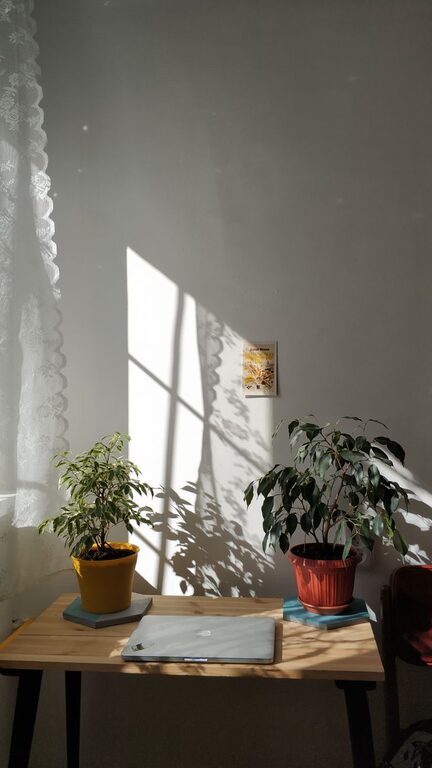
Creating a relaxing home office environment is essential for maintaining focus, reducing stress, and boosting productivity, especially when much of our work is done from home. Whether you have a dedicated room or a small corner in your living space, the way you design and organize your workspace can significantly impact how you work and feel throughout the day.
In this post, we’ll explore effective and easy-to-implement tips to help you set up a calming home office that supports your work and wellbeing.
1. Choose the Right Location
The foundation of a relaxing home office is its location. Ideally, your workspace should be:
– Quiet: Away from distractions like television, loud appliances, or busy living areas.
– Well-lit: Natural light is preferable because it improves mood and reduces eye strain. A spot near a window is perfect.
– Comfortable: Ensure the space allows you to sit comfortably and move freely without feeling cramped.
If you don’t have a separate room, consider using room dividers or screens to separate your work area visually and physically.
2. Invest in Ergonomic Furniture
Comfort plays a vital role in creating a relaxing office. Invest in:
– An ergonomic chair: Look for adjustable height and lumbar support to reduce strain.
– A spacious desk: Choose a desk that fits your equipment and allows you to spread out your work materials.
– Adjustable accessories: Items like a monitor stand or keyboard tray help maintain proper posture.
Physical comfort reduces fatigue, allowing you to focus better and feel more relaxed.
3. Use Soothing Colors and Decor
Colors impact mood and concentration. For a relaxing workspace:
– Choose soft, neutral shades such as light blues, greens, or warm beige.
– Avoid overly bright or harsh colors that may distract or cause stress.
– Add simple decor like plants, artwork, or inspirational quotes to personalize the space without cluttering it.
Plants deserve special mention—they improve air quality and bring a touch of nature indoors, which can be calming.
4. Manage Lighting Thoughtfully
Good lighting can dramatically improve your work experience:
– Take advantage of natural daylight by positioning your desk near a window.
– Use soft, warm artificial lighting to avoid glare and harsh shadows.
– Consider a desk lamp with adjustable brightness to focus on tasks without strain.
Reducing eye fatigue supports comfort and relaxation.
5. Keep Your Space Organized
A tidy workspace promotes calm and helps you stay focused:
– Use storage solutions like shelves, drawers, and organizers to keep supplies in place.
– Declutter regularly by removing items no longer needed.
– Maintain clear desk surfaces to create a sense of openness.
When your environment is neat, it’s easier to think clearly and work efficiently.
6. Incorporate Relaxation Elements
Adding items that promote relaxation can help you recharge during breaks:
– A comfortable cushion or throw blanket for quick rest moments.
– A small diffuser with calming essential oils such as lavender or eucalyptus.
– Background music or white noise machines to mask distractions.
These elements create a peaceful atmosphere that encourages productivity.
7. Minimize Distractions
To maintain focus:
– Turn off unnecessary notifications on your phone or computer.
– Use noise-cancelling headphones if your environment is noisy.
– Set boundaries with others at home by communicating your work schedule.
Limiting interruptions helps you maintain a steady workflow and reduces stress.
8. Establish a Routine and Break Space
Even in a relaxing home office, it’s important to separate work from rest:
– Set regular working hours and stick to them.
– Include scheduled breaks to stretch, hydrate, and relax.
– If space allows, designate a nearby spot for breaks—a chair or small lounge area different from your desk.
Having a clear distinction between work time and relaxation boosts overall comfort and productivity.
9. Personalize Your Space Mindfully
Finally, make your home office feel uniquely yours but avoid clutter:
– Display items that inspire you but keep them minimal.
– Use organizers or aesthetic containers to keep essentials handy but neat.
– Allow space for creative expression, such as a board for ideas or a journal.
A personalized, well-arranged environment feels welcoming and less stressful.
—
Creating a relaxing home office environment isn’t about perfection; it’s about creating a space that supports your comfort, focus, and peace of mind. By carefully considering your workspace’s location, furniture, lighting, and decor, and by keeping it organized and free of distractions, you’ll build a pleasant environment where you can work peacefully and effectively every day.